Current Projects




Global Project Collaborations
-
![]()
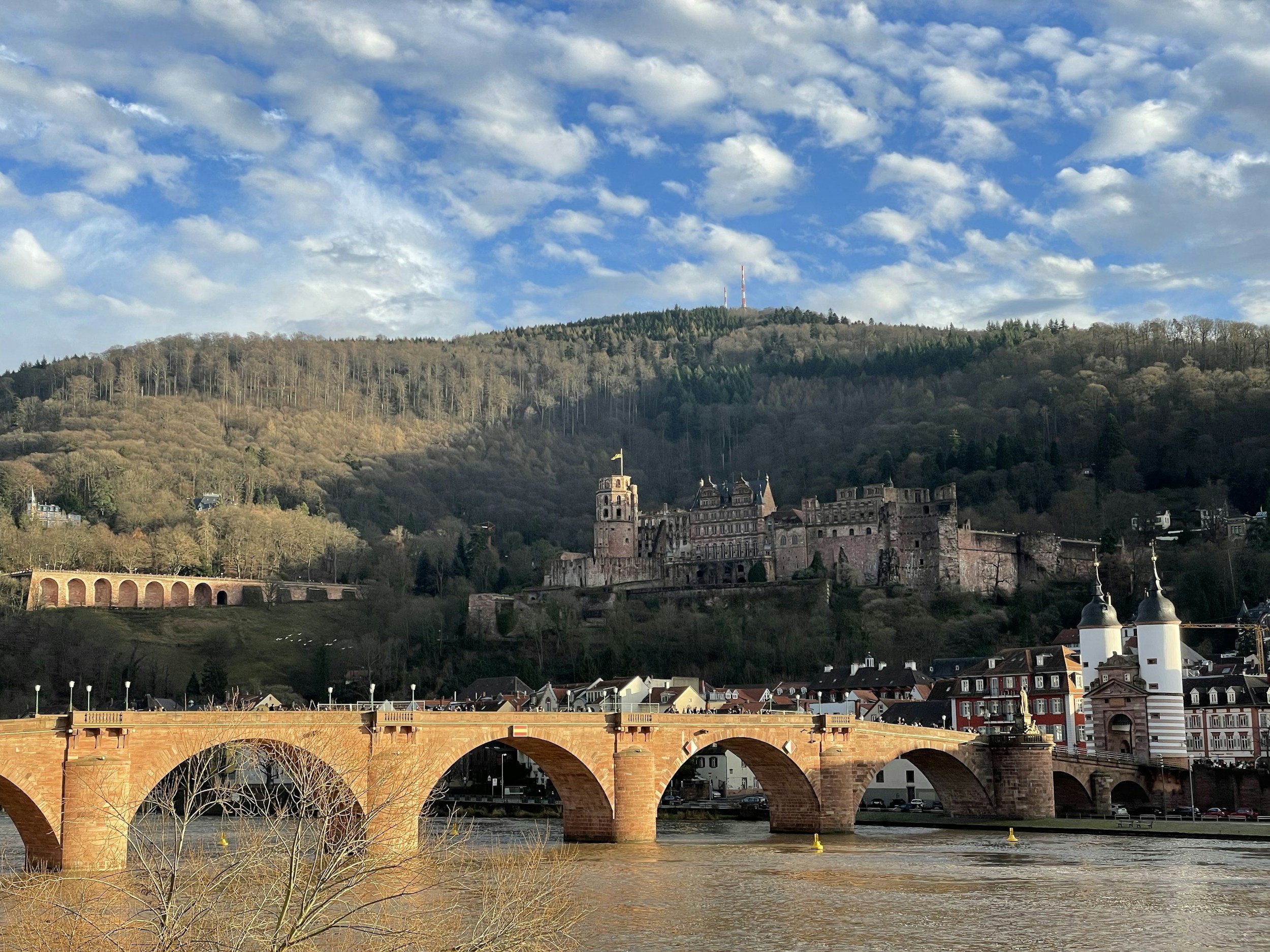
HEAT-2 KIDS (Germany)
In collaboration with Dr. Kathrin Zangerl at the Heidelberg Institute of Global Health (HIGH) and Precise Health Inc., HEAT-2 KIDS is a child-centered climate-health initiative designed to address the growing threat of extreme heat to children in Germany. Evidence indicates that high heat worsens pediatric illness and undermines learning and cognitive performance, thus this project seeks to close major gaps in how heatwave warnings and adaptation strategies are communicated.
HEAT-2 KIDS applies a digital citizen science approach that actively involves children aged 10–14 and their caregivers as partners in the design and use of solutions. Using a GDPR-compliant digital platform that integrates real-time meteorological information with app-based self-reports, timely alerts and coping guidance will be tailored specifically to family and children’s needs to improve protection and resilience at the community level. The long-term goals are to create a living cohort framework that recognizes children as collaborators in climate adaptation, promote accessible and inclusive communication for underserved families. -
![]()
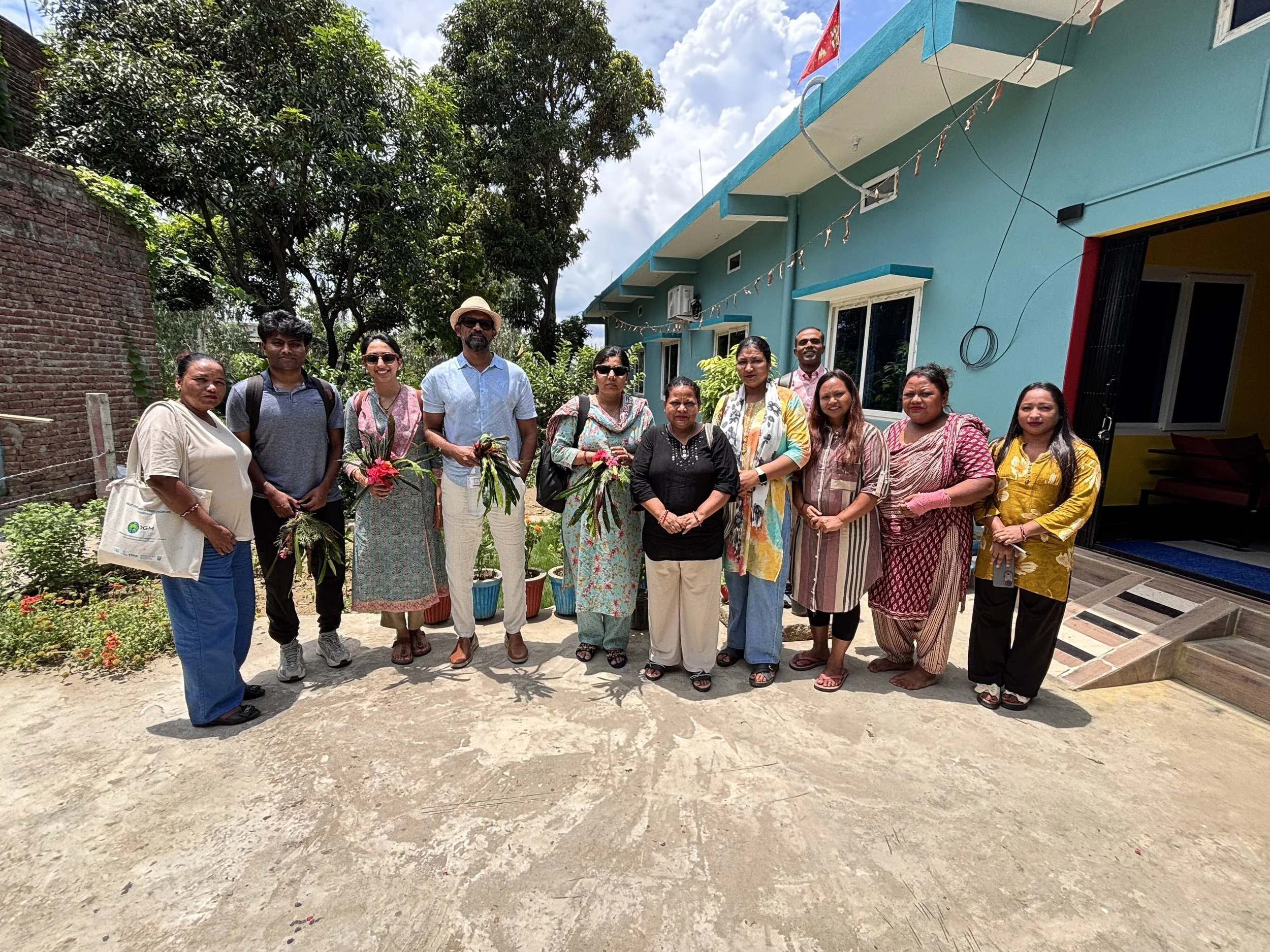
Rural Digital Literacy Program (Nepal)
In collaboration with the Nepal Institute of Peace and DEPtH Lab (Western University), we are adapting a digital literacy program to empower rural women and youth. Through relevant cultural and community-specific content, the digital literacy program will serve as a foundation for future digital health projects in Nepal. Digital literacy is increasingly recognized as a foundational skill and determinant of health. Digital literacy enables communities to access essential services and respond to health and climate emergencies effectively. Thus our team has created Citizen Advisory Councils in rural communities in Nepalgunj to pilot the adapted program prior to widespread community launch.
-
![]()
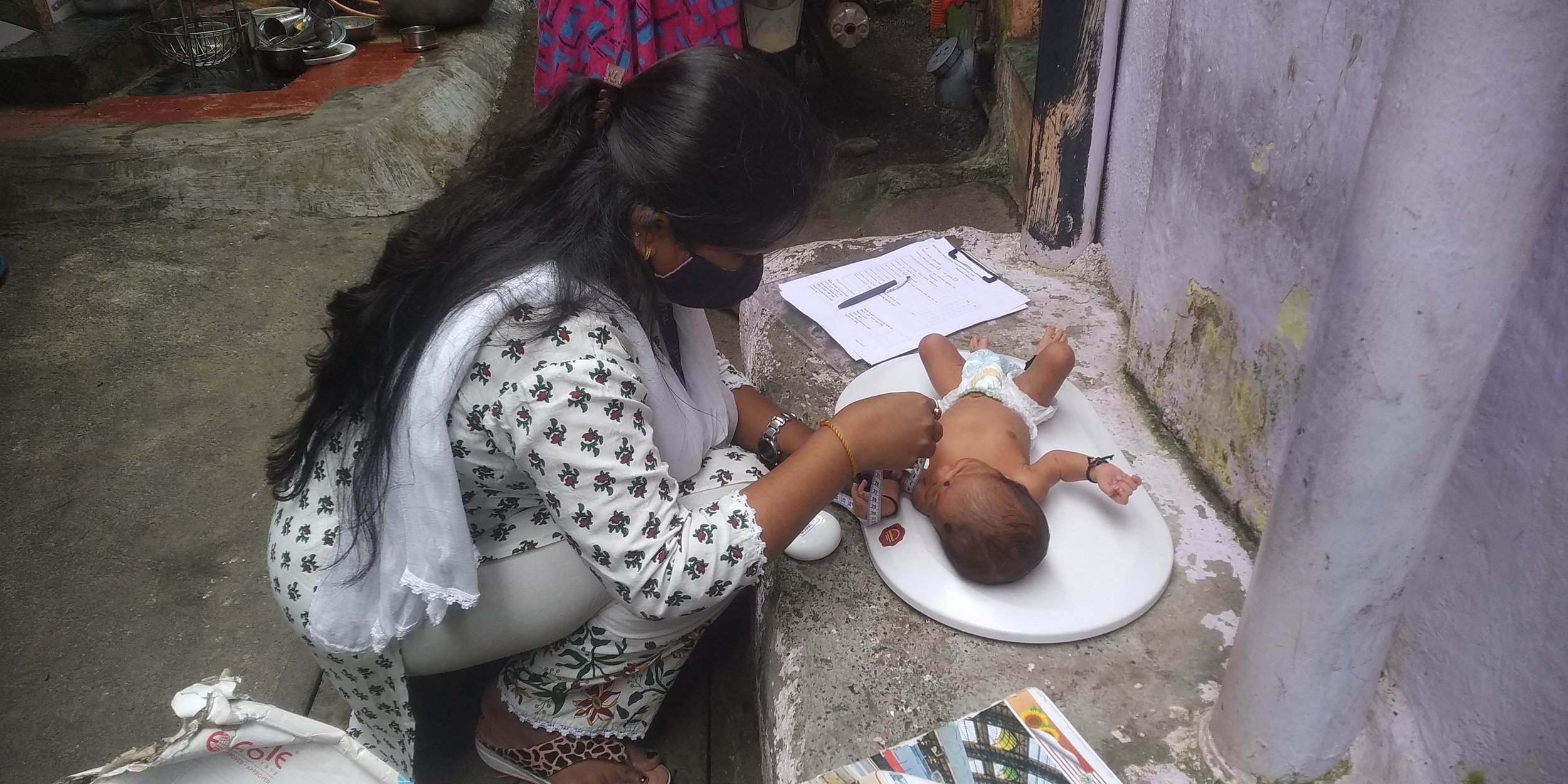
Infant and Young Child Feeding Practices Study (India)
In collaboration with HCJMRI (Pune, India), we are conducting a mixed methods study to understand infant and child feeding practices in India. Residents of urban slums in India experience a range of challenges with infant and young child feeding (IYCF) practices which contributes to unhealthy diets and high malnutrition rates. However, the reasons remain unclear as research to date has not considered the influence of cultural contexts. Thus, this study aims to develop appropriate measurement tools, and qualitatively explore the complementary feeding practices of caregivers with children aged 1-2 years residing in slums in Pune, India.
Led by Dr. Rubina Mandlik, the first culturally-appropriate infant and young child feeding (IYCF) practices tool is being developed. This tool will serve as the foundation to identify intervention points for promoting appropriate IYCF practices among Indian caregivers. Preliminary focus group results (n=17) with mothers and paternal grandmother dyads indicated that caregivers were aware that complementary foods should be introduced only after 6 months, but in practice, they started between 4 to 8 months. Financial constraints influenced food choices, and unhealthy food consumption was pervasive. Information sources were mainly family, neighbors, and limited media, with minimal guidance from health professionals.
-
![]()
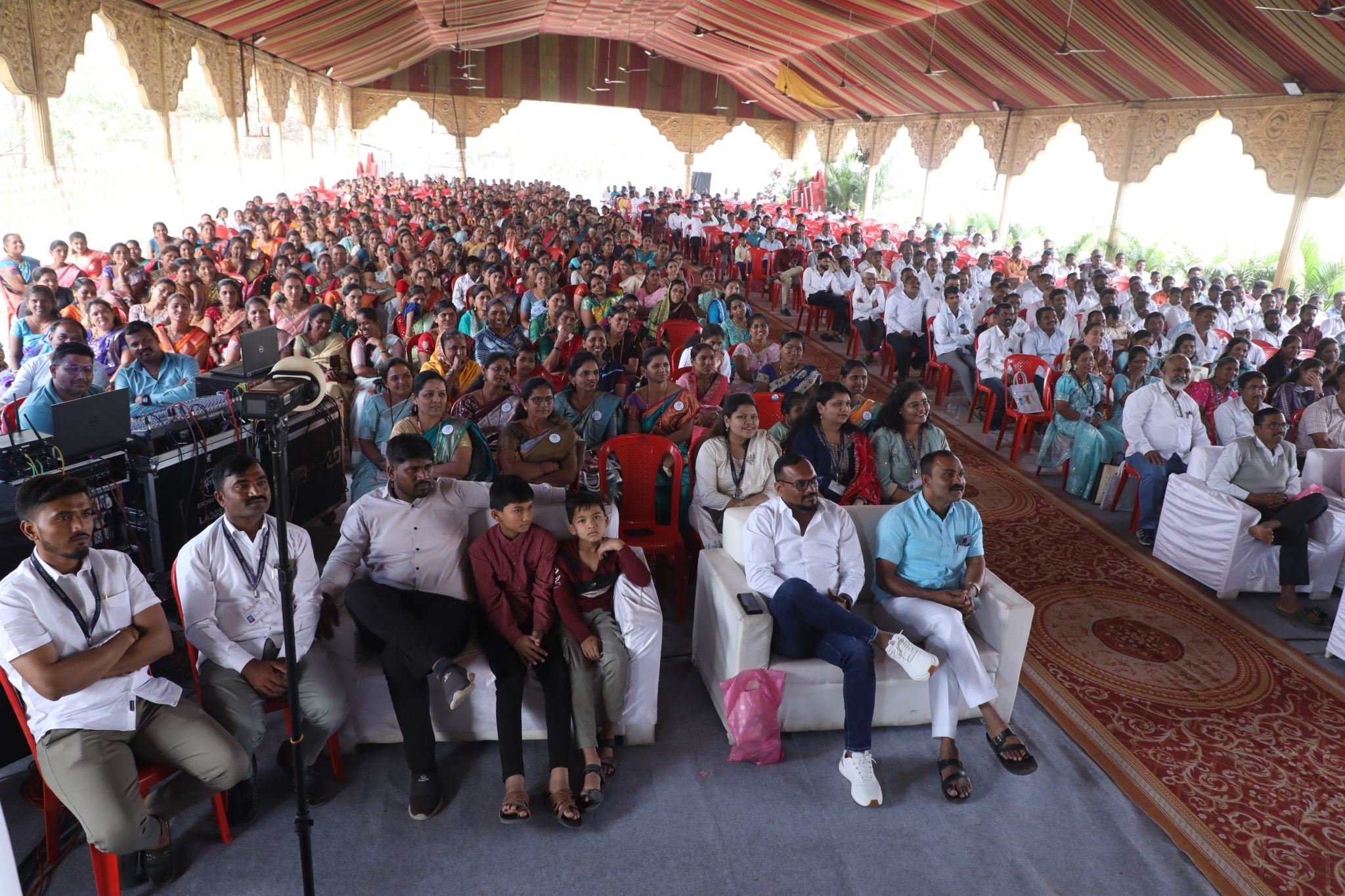
Multigenerational Cohort Study (India)
In partnership with the Hirabai Cowasji Jehangir Medical Research Institute (HCJMRI) in Pune, India, the CHANGE Research Lab is collaborating with Dr. Anuradha Khadilkar’s team on a multigenerational, longitudinal cohort study. Termed YUVAAN (YoUng adolescents’ behaViour, musculoskeletAl heAlth, growth & Nutrition), the overall goal of this study is to understand behavioural, socio-ecological, and socio-economic determinants of growth and non-communicable disease (NCD) risk among rural households among preadolescent children and their parents.
To achieve this overall goal, YUVAAN will investigate intergenerational patterns of NCD risks and growth among preadolescents (8-10-year-olds), their parents and future offspring in rural areas through a 15-year prospective cohort study. The study will identify and address socioeconomic and socioecological determinants of health (i.e., climate change impacts, sociocultural factors) associated with growth trajectories and intergenerational disease risk.
Find out more by reading our methodology paper: https://bmjpublichealth.bmj.com/content/3/1/e001741